In the fast-paced world of oil and gas operations, safety stands as a paramount concern that cannot be overlooked. Bola Afolabi, an accomplished professional with thirty years of experience in the industry, emphasizes the critical importance of prioritizing health and safety in all aspects of oil and gas operations. As one of Nigeria’s top procurement and contracting strategists, Afolabi’s insights shed light on the best practices and approaches to ensure the well-being of workers and the protection of the environment.
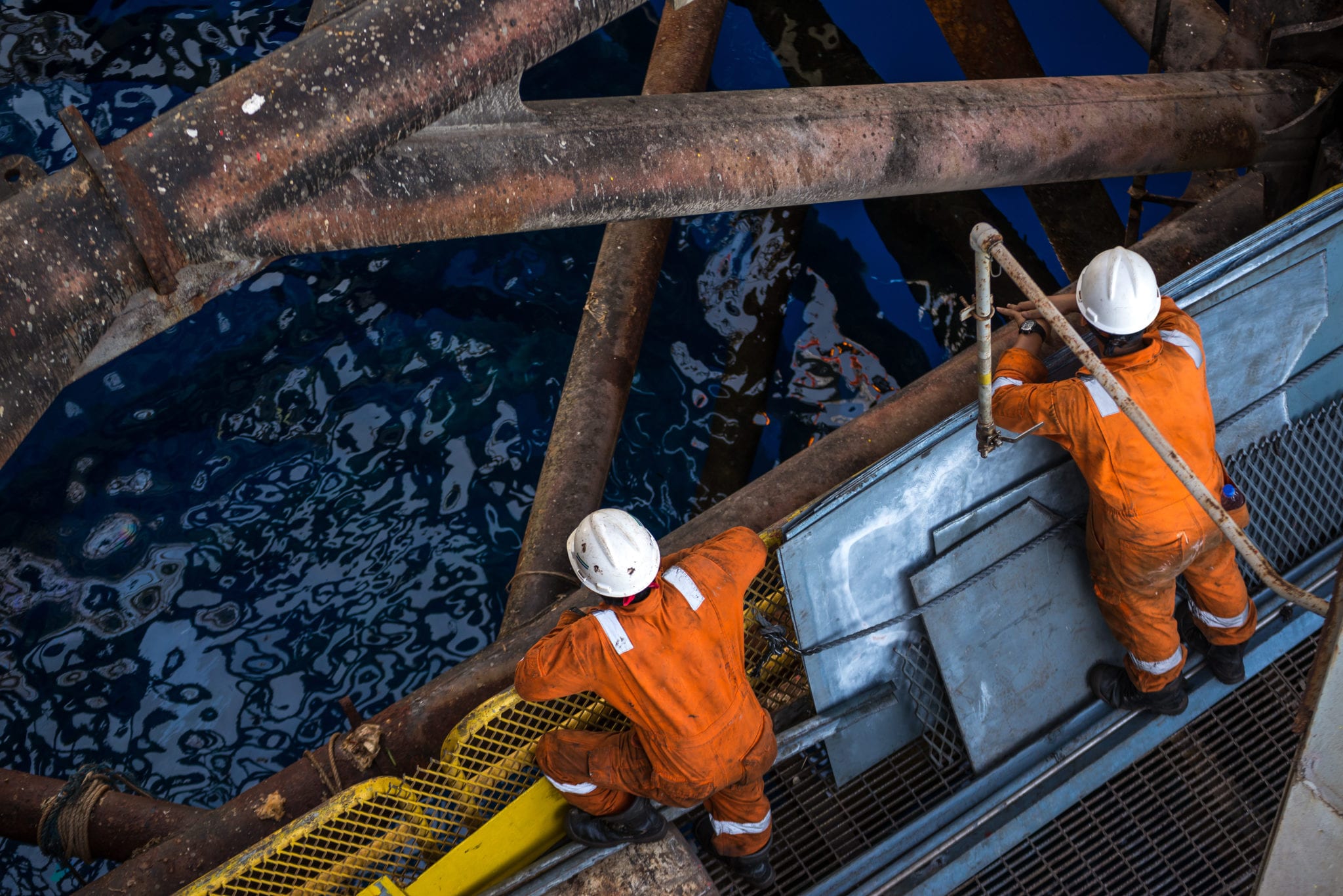
Cultivating a Safety Culture
Bola Afolabi underscores the significance of fostering a safety culture that permeates every level of an organization. From top management to frontline workers, everyone must be actively involved in creating a safety-first mindset. This culture encourages employees to be vigilant, report potential hazards, and take proactive measures to mitigate risks. By making safety a shared responsibility, companies can significantly reduce accidents and incidents in oil and gas operations.
Comprehensive Training and Education
Safety in the oil and gas industry begins with equipping the workforce with the necessary knowledge and skills. Bola Afolabi advocates for comprehensive training programs that cover not only general safety practices but also industry-specific guidelines. Adequate education empowers workers to make informed decisions, respond effectively to emergencies, and adhere to best safety practices in all aspects of their work.
Rigorous Safety Inspections and Audits
To ensure compliance with safety standards and identify potential hazards, regular inspections and audits are essential. Afolabi emphasizes that companies must establish rigorous inspection protocols, covering equipment, facilities, and operational procedures. These inspections serve as proactive measures to detect and rectify potential safety issues before they escalate into serious incidents.
Embracing Technology for Enhanced Safety
As the oil and gas industry embraces digital transformation, Bola Afolabi advocates leveraging technology to enhance safety measures. From utilizing data analytics to predict potential risks to implementing IoT sensors for real-time monitoring of equipment, technological advancements can significantly bolster safety efforts. Embracing digital solutions not only enhances safety but also drives operational efficiency and cost-effectiveness.
Continuous Improvement and Learning
The journey towards a safer oil and gas industry is ongoing. As a teacher of MBA students in Strategic Supply Chain and Procurement and a passionate mentor of young people, Dr Afolabi believes in continuous improvement of leadership through learning.
Companies must promote a culture of learning from incidents and near-misses to prevent future occurrences. By analyzing and applying lessons learned, the industry can continuously refine safety protocols and ensure a safer working environment.
Collaboration and Sharing Best Practices
In a globally interconnected industry, collaboration among companies is crucial to improving safety standards. Bola Afolabi advocates for sharing best practices, experiences, and safety innovations across the industry. Through collaborative efforts, companies can collectively raise safety standards and foster a safer environment for workers worldwide.
Conclusion
Safety must remain at the forefront of oil and gas operations, and Bola Afolabi’s expertise underscores the imperative of prioritizing health and safety in every aspect of the industry. By cultivating a safety culture, providing comprehensive training, conducting rigorous inspections, embracing technology, and continuously learning, the oil and gas industry can make significant strides in ensuring the well-being of its workforce and protecting the environment. With collaboration and a shared commitment to safety, the industry can forge a path towards a safer and more sustainable future.